Natural Nutritive Elements

Informational profiles of botanical and mineral compounds studied for their roles in human physiology.

Botanical & Nutritive Reference Profiles

Below are educational profiles of six natural elements. Each entry provides factual information about origins, constituents, and general physiological context. This is purely informational content.

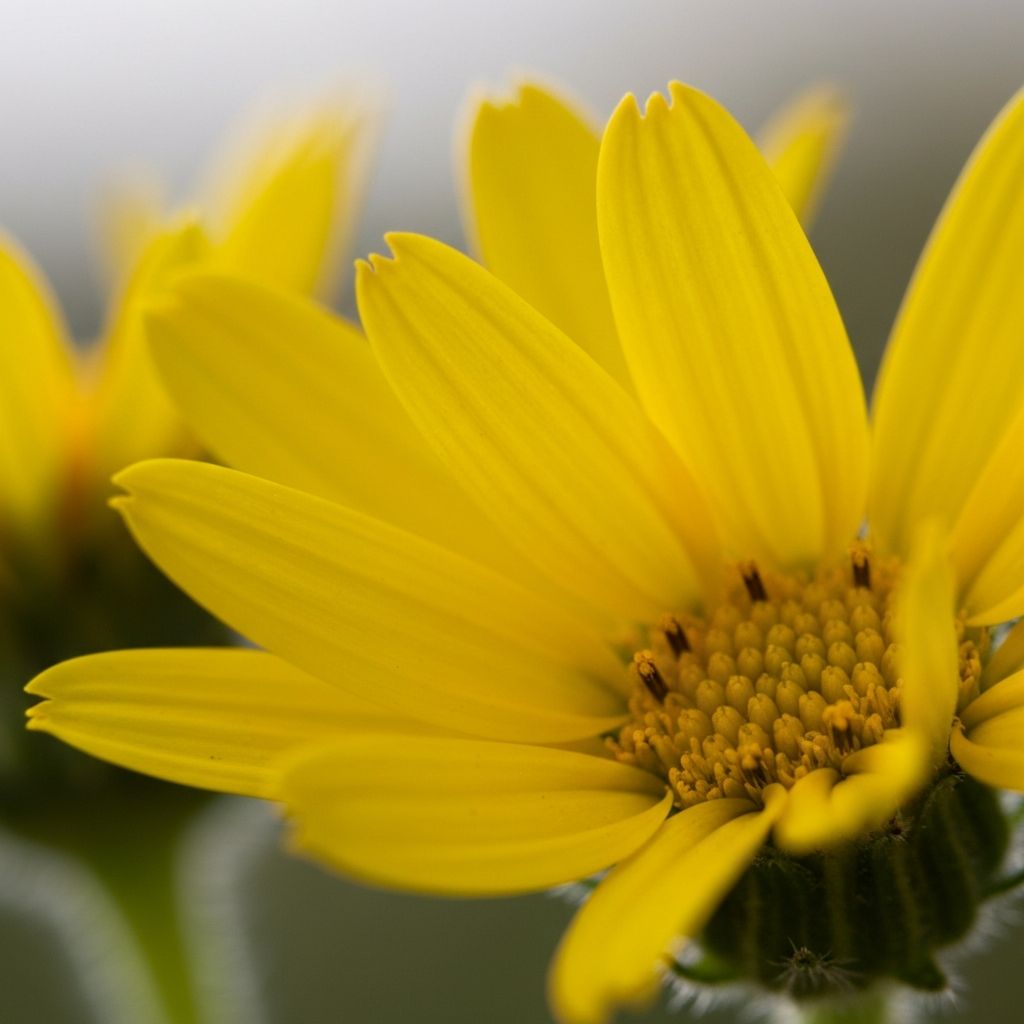
Swiss arnica flower

Swiss Arnica (Arnica montana)

Origin: Alpine regions of central Europe, particularly Switzerland and nearby mountain ranges. Traditionally cultivated for centuries.

Key Constituents: Sesquiterpene lactones, flavonoids, essential oils, and polysaccharides. These compounds are responsible for arnica's traditional botanical properties.

General Context: Arnica has been studied for its potential role in supporting normal inflammatory response and muscle recovery. Modern research continues to examine its applications in topical and systemic use.
Inquiry Form

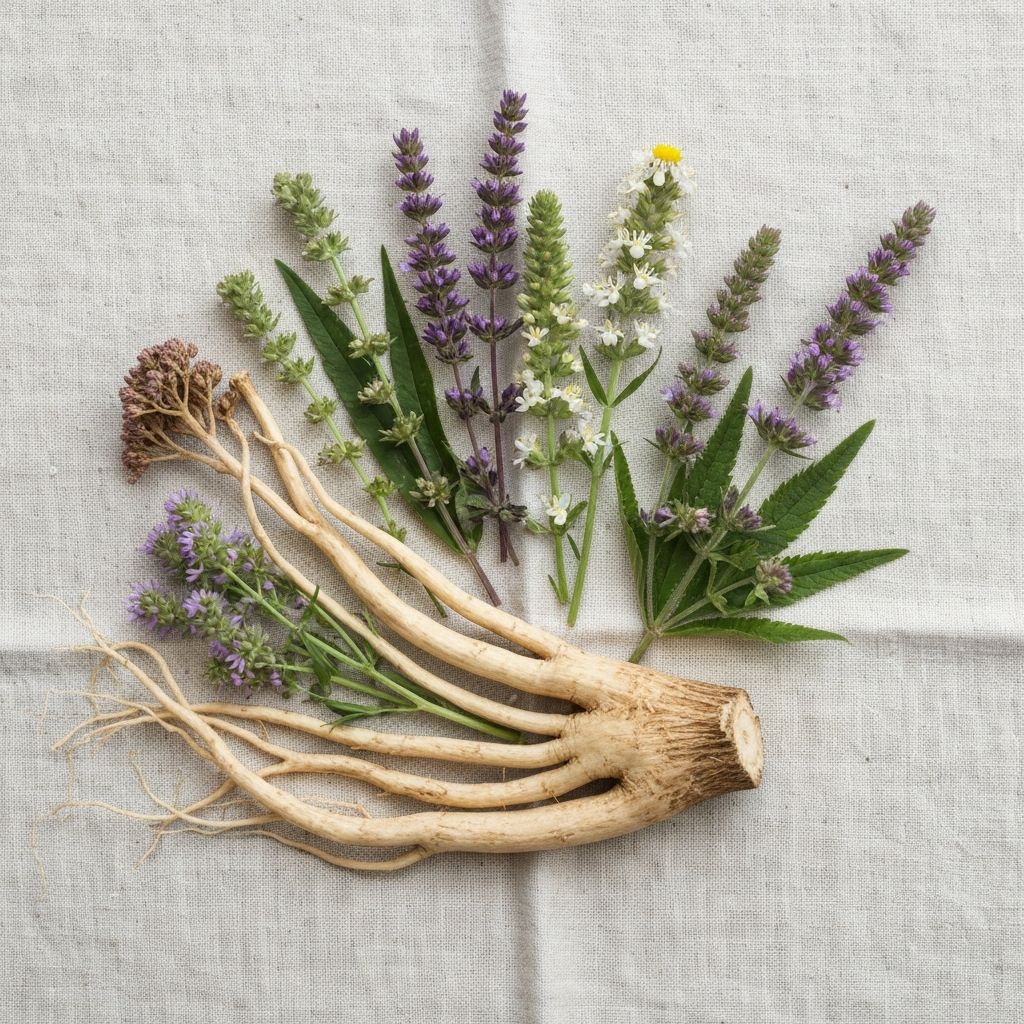
Valerian root botanical

Valerian Root (Valeriana officinalis)

Origin: Native to Europe and Western Asia. Cultivated in temperate regions worldwide. Has been used in traditional medicine for over 2,000 years.

Key Constituents: Valerenic acid, iridoids, volatile oils, and amino acids. These compounds are believed to interact with neurotransmitter systems.

General Context: Valerian is traditionally associated with supporting relaxation and sleep quality. Scientific studies continue to investigate its mechanisms and efficacy in supporting restful sleep patterns.

Inquiry Form

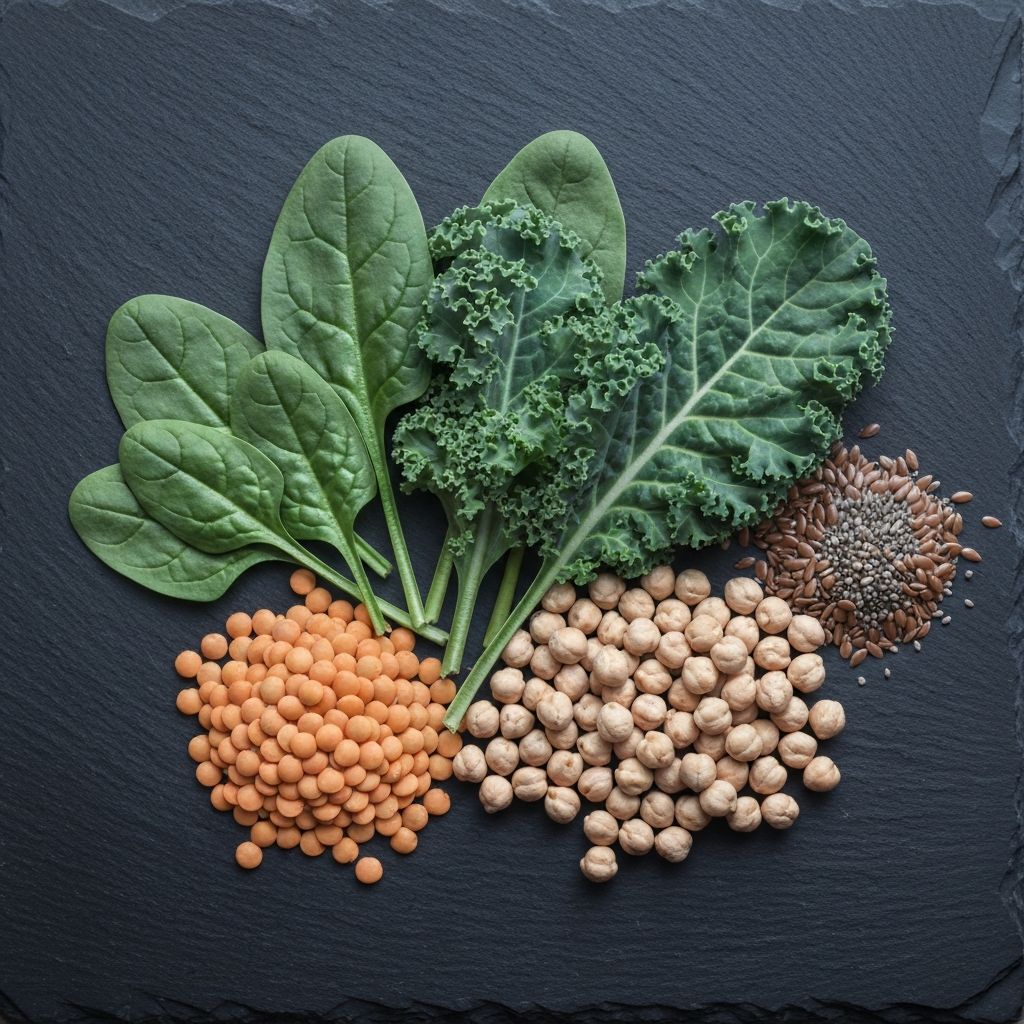
Iron-rich food sources

Natural Iron Sources

Origin: Iron is a fundamental mineral found in various plant and animal sources. It is essential for human life and metabolism.

Key Constituents: Heme iron (from animal sources) and non-heme iron (from plant sources). Both forms are utilized differently by the body.

General Context: Iron is critical for oxygen transport in blood, energy production in cells, and immune function. Adequate iron intake supports metabolic efficiency. Dietary sources include red meat, fish, legumes, spinach, and fortified cereals.

Inquiry Form

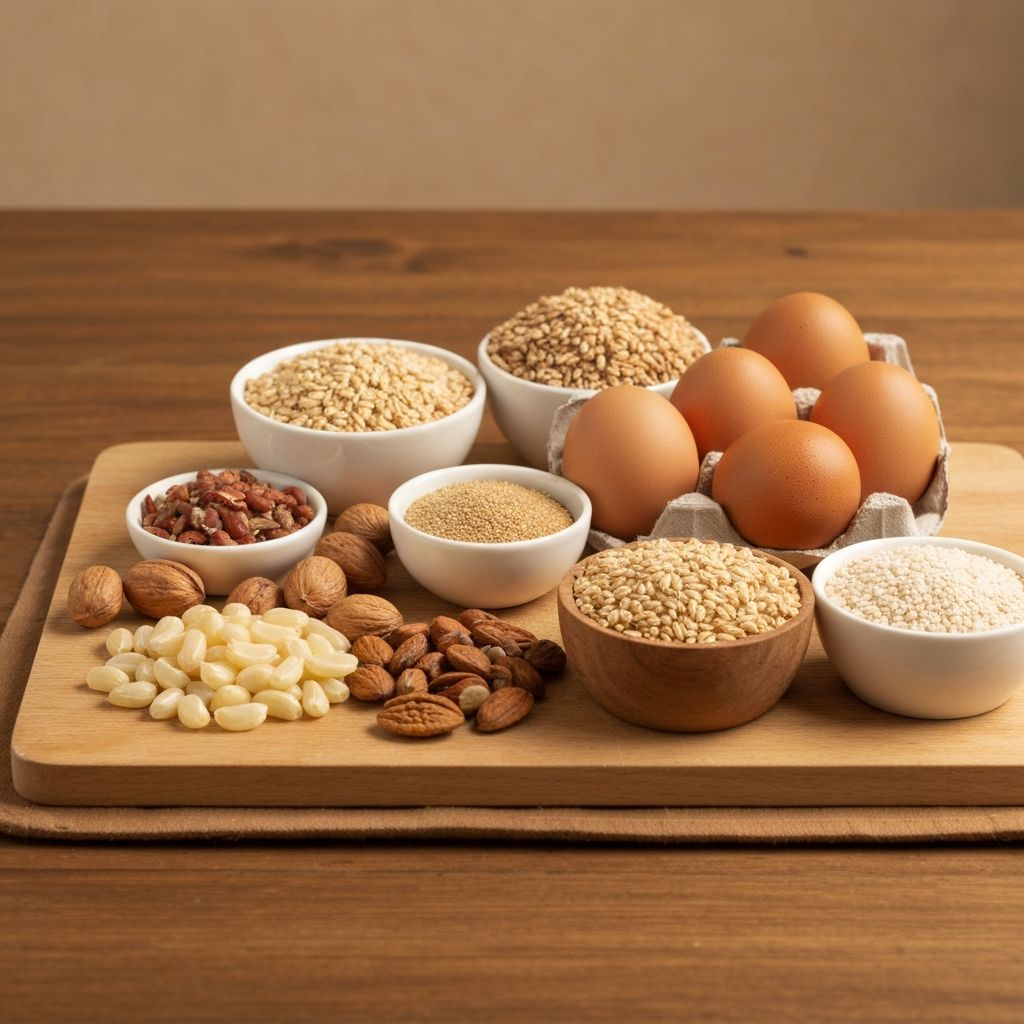
B-vitamin rich foods

B-Vitamin Family Overview

Origin: B vitamins are found throughout nature in animal products, plants, grains, and legumes. The human body cannot synthesize most B vitamins, requiring dietary intake.

Key Constituents: Eight distinct B vitamins: thiamine (B1), riboflavin (B2), niacin (B3), pantothenic acid (B5), pyridoxine (B6), biotin (B7), folate (B9), and cobalamin (B12). Each has unique roles in metabolism.

General Context: B vitamins collectively support energy metabolism, nervous system function, red blood cell formation, and DNA synthesis. Whole grains, legumes, eggs, and leafy greens are rich sources. B-vitamin status directly affects energy production and overall metabolic function.

Inquiry Form

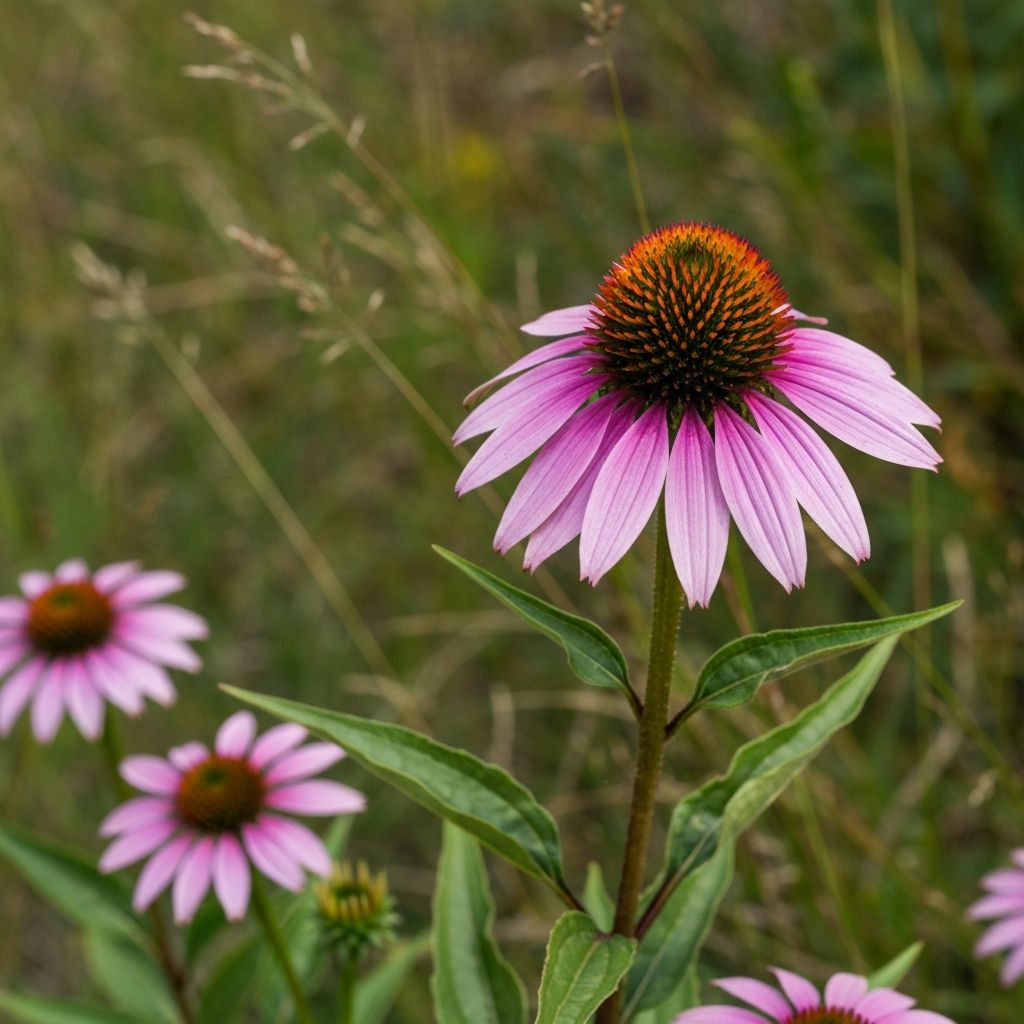
Echinacea purple coneflower

Echinacea (Echinacea purpurea)

Origin: Native to North America, particularly central and eastern United States. Now cultivated in temperate regions worldwide, including Alpine areas.

Key Constituents: Polysaccharides, alkamides, flavonoids, and caffeic acid derivatives. These compounds are believed to support immune system function.

General Context: Echinacea has been traditionally used to support immune function and is studied for its potential role in maintaining healthy immune response. Research continues to explore optimal extraction methods and application protocols.

Inquiry Form

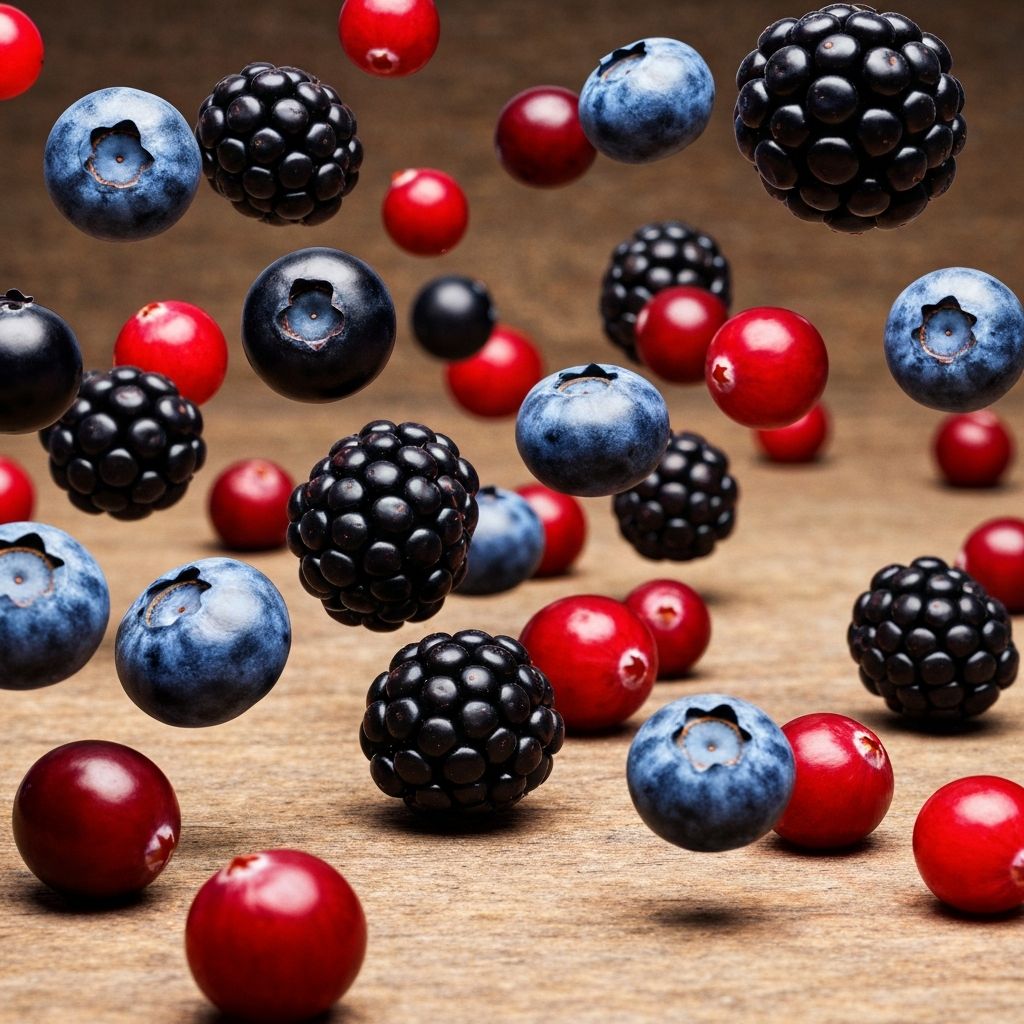
Antioxidant berries

Antioxidant Berry Compounds

Origin: Berries are produced by plants worldwide and have been consumed as foods for millennia. Alpine regions produce particularly nutrient-dense varieties.

Key Constituents: Anthocyanins, proanthocyanidins, polyphenols, and vitamin C. These compounds protect cells from oxidative stress and support cellular health.

General Context: Berries are among the most antioxidant-rich whole foods. Consumption of diverse berry varieties supports cellular protection and general wellness. Regular inclusion of berries in a balanced diet contributes to overall nutritional adequacy and antioxidant status.

Inquiry Form

Catalog Information Disclaimer

This catalog provides educational information only. No specific health claims are made. Individual responses vary significantly based on personal health status, medications, and genetic factors.

Before making any changes to diet or supplementation, consult a qualified healthcare professional.